Supportive guidance for a healthier you Calm Skies Therapy
Mental Health

Why is Mental Health Therapy Important for People With Chronic Pain

People with chronic pain have so many doctors appointments and so little time where they aren’t hurting so why should they add another appointment to their schedule? It’s not just about talking about your week and can have lasting benefits that ripple throughout all aspects of health.

Pain Impacts Stress and Stress Impacts Pain

People with chronic pain are so often dismissed and told that they’re just anxious. In most cases, this just simply isn’t true. That doesn’t mean stress and anxiety don’t play a part in the pain though. 

When someone is in pain their stress levels can skyrocket. This makes sense. They worry about the pain, their obligations, and what others will think. Pain can also increase your heart rate which can tell your body that you’re stressed even before your mind thinks it. This stress can be all consuming and exhausting. As the pain gets worse so does the stress. 

The problem is that stress can also worsen the pain. This doesn’t mean the pain is in their head. Stress is caused by cortisol and the change in cortisol levels can cause flare ups to underlying conditions through inflammation, nerve sensitivity, and more. 

This just becomes a vicious cycle because pain causes stress but stress worsens pain. The importance of finding ways to manage stress is extremely important to help manage the conditions. Migraines, CRPS, arthritis, even back pain can all be impacted like this but let’s be clear, eliminating stress from someone’s life completely will not cure them of their pain. It can just make managing that pain a little easier. 

Learning How to Advocate for Yourself

Doctors can miss things because of wording, limited time with patients, or because they just simply have a different thought process. Most of the time this doesn’t mean they are bad doctors but figuring out how to convey what’s going on in a productive way can save people so much time and stress in the long run.

People can say one thing but doctors are understanding it a different way. Sometimes this is as straightforward as doctors not asking follow up questions or because they have different definitions for words used. Fatigued vs tired is a great example. People may say tired when medically they mean fatigued and that difference can change what direction the doctor will take the appointment. This is also important when describing what the pain feels like. To some, pain is pain but being able to describe if it’s burning, tingling, sharp, dull, or aching can narrow down what might be causing the pain. Knowing that can lead to a quicker diagnosis or noticing changes in a condition. Women also tend to describe things completely differently compared to men. Men use less words and stick to the “important details” while women give more information in a narrative way. Although this can mean that women are giving more information that can be important to what’s going on, this can also mean more information is lost or worse, women can be seen as exaggerating or emotional. It can leave women being miss or underdiagnosed. Until this view changes, it’s important to learn how best to explain pain so that nothing is missed. 

There are also laws that many people don’t know unless they’re in the medical field. No Surprises Act and Good Faith Estimate are two great examples. One major stressor with chronic pain is how people are going to afford everything. This is when it’s important to have someone who understands the system can help give education around these things. Patients have to be given estimates for procedures by their doctors’ offices and if that estimate isn’t even close then patients might be able to fight those costs but only if they know the rules and who to talk to. Learning the right questions can prevent things from slipping through the cracks.

Many people with chronic pain can have what is commonly referred to as ‘white coat syndrome’ which is a fear of doctors. It can feel like doctors have all the control in the room and although that is true to an extent, patients are the boss in the room. This doesn’t mean they can demand things that aren’t medically necessary but it does mean they don’t have to do something they don’t want to. When someone has anxiety around doctors, it’s important to tell them and have them slow down the appointment. Doctors need to explain things and listen to their patient’s needs but there are ways to request this in a way that will be listened to more. Learning this can lead to a smoother appointment and less anxiety overall. 

These are ongoing conversations that need to be had so having one person to consistently go to will help people feel prepared and calmer for their appointments.

Talk About the Mental Health Ramifications of Procedures

Oftentimes people with chronic pain feel desperate for the pain to stop and end up doing procedures in the hopes that it will help. This is important but it’s also extremely important to talk about how those procedures can impact them emotionally. A therapist should never push for a specific procedure or talk someone out of one but they should talk about everything that can come up for a person mentally leading up to, during, and after the procedure. Doing this can help people feel more comfortable and confident with the procedure because they know what to expect and are giving informed consent. 

Before procedures, people can feel overwhelmed with what to do and with all the information being thrown at them at once. Talking this out with someone can help them come up with questions and sort through why they’re nervous about the specific procedure. It can help them better understand and advocate for themselves.

On the day of or during the procedure, clients can get nervous. Their heart rate can increase which can lead to the procedure being delayed which can lead to even more stress. Having the coping skills ready to go can make for a much smoother day.

After the procedure, things may come up that people haven’t even thought about before. For example, ports, leads, or scars can lead to body image issues or even struggling overall mentally over the fact that things look different. People can struggle with the lack of independence they have after procedures.

Upcoming procedures can come with hope but what happens if that procedure doesn’t work? They feel like they’re back at square one. People around them are also hopeful and having to tell them they are still in pain and watching the reactions can be crushing. No one should have to face this alone.

Regain Trust in the HealthCare System

The health care system can be hard for people who are dealing with chronic pain. They can be dismissed, talked down to, and passed from provider to provider. People are told they are drug seeking or that there’s nothing wrong with them when something clearly is. It’s no wonder people are skeptical about what their doctors say. 

Sometimes it’s a basic miscommunication. Doctors not understanding that the patient doesn’t know what they mean and the patients not knowing what questions to ask. Why is the doctor making them try a bunch of different medications knowing it won’t work? Simple, insurance. Sometimes insurance requires doctors to try different steps before insurance will cover the bigger procedure. But if people aren’t explained this then they might feel like the doctor is wasting their time. This is when someone who understands the system and can take more time with them can really help. 

We also can’t underestimate the power of someone who believes them. When people have been dismissed, misdiagnosed, or underdiagnosed then of course they might not trust the system. But when someone says they hear them and believe them and will help them can change how they view providers leading to better quality of care.

Have an Outlet to Let Out the Frustrations

Family and friends are great when they are supportive but what about when they aren’t? What about when they’re so supportive but don’t understand that sometimes staying positive isn’t what they need? People need someone they can be real with. Someone who won’t look upset and disappointed when they are having a bad day.

Family and friends want so badly for their loved one to feel better and it’s hard to tell them that they aren’t. Some will say to stay positive but sometimes they need to yell, cry, or even just vent! This gives them a dedicated time to be able to get it out without being told to have hope and look at the bright side. A dedicated space where they can say whatever they want. 

Reduce the Risk of Suicide

Some conditions come with an increased risk of suicide. Some of these include CRPS, migraines, arthritis, trigeminal neuralgia, and endometriosis. People just want the pain to stop and can often be depressed because their life isn’t what they expected it to be. In some conditions like CRPS, brain scans show this depression is unlike any other. It’s understandable that suicide can cross their minds but there should be someone monitoring to make sure this thought doesn’t become a reality. But this can’t always just be someone at home because people in pain don’t want to worry their support system. It’s also important to have someone involved who knows when it’s time to intervene, has the resources and knowledge to do so, and can do it in a supportive way that helps both the person and their family.

Have Someone Who Understands Even When They Can’t Understand

Not everyone will understand what it’s like to live with chronic pain. Even someone with chronic pain won’t understand everyone else’s chronic pain. It’s not about understanding the chronic pain but it’s about understanding that people with it aren’t being dramatic. It’s important to have someone who understands that the rain actually does make the pain worse. It’s comforting to have someone who doesn’t need to be walked through what every procedure is or even what the diagnosis is. 

Know That You’ll Have Someone to Talk

Chronic pain can be very isolating. People can get stuck in the house for days and if no one can come visit them, they will be all alone. Regular sessions give people something to look forward to and a time where they know they won’t be alone. This can do wonders for mental health and reduce the risk of depression.

Importance of Finding Someone Who Specifically Works With Chronic Pain

Not every therapist is the right fit for people with chronic pain. It’s important to find someone who understands chronic pain and how it truly impacts people day to day. This will change the way the therapist does their sessions.

Sessions may be on a schedule but flare-ups aren’t. If a therapist has rigid rules about rescheduling or cancelling then they might not truly understand the true scope or severity of what is happening with their clients. When a therapist understands how hard it is to do anything with chronic pain flare-ups, they will help find ways to make sessions work when clients can and in a way that clients can. 

Therapists who truly understand chronic pain will be up to date on the newer interventions, strategies, and procedures. They have more options to pull from while also understanding what interventions can cause more damage emotionally.

They don’t need every little thing explained to them. They’ve heard it all and if they haven’t then they research it so that their clients don’t have to take on the burden of educating their providers. 

They won’t look at clients with pity when the client says how much pain they’re in. They come from a place of empathy because even if they haven’t experienced it they understand it enough and have seen it enough to see where the client is coming from. You won’t find the generic “that sucks” sympathy phrases coming from them.

They know the systems so they know who to refer to and how to get their needs met. They spend time pushing for what the client needs and educating the people who don’t understand.

Chronic pain impacts every part of someone’s health and life. It’s important to have a team who is all on the same page including a mental health therapist. They will fight in your corner even on the hardest days.

Nicole Jordan Calm Skies Therapy

About the Author

Nicole Jordan, MSSA, LCSW, is a therapist who helps teens and adults navigate ADHD, chronic pain, dating challenges, and life stressors through a collaborative and conversational approach. Drawing on her background in psychology and social work, she combines practical skill-building with empathy and connection to help clients feel understood and empowered. She holds degrees from Slippery Rock University and Case Western Reserve University.

Read More
Supportive guidance for a healthier you Calm Skies Therapy
About Calm Skies Therapy

Nicole’s Ideal Clients as TV Show Characters

This article uses fictional characters and publicly shared experiences from media figures as relatable examples to help potential clients better understand the kinds of personalities, struggles, emotional experiences, and life transitions I often work with in therapy.

The fictional characters discussed are personal interpretations based on their stories and are not meant to serve as formal psychological evaluations or diagnoses. Any public figures mentioned are discussed only in relation to experiences they have spoken about publicly themselves.

These examples are not meant to define any character or person as a whole. It’s simply to help readers recognize themes they may connect with and better understand what therapy with me may look like.

The goal of this article is simply to help people feel seen. Sometimes it is easier to recognize yourself through a character, storyline, or public experience than through a list of clinical terms on a website.

Spoilers Ahead!

Supportive guidance for a healthier you Calm Skies Therapy

Max Baker from Ginny & Georgia

What makes Max a good client for me?

Max is an upbeat teenage girl who knows who she is and is working on getting the things she wants. She’s high achieving both in school and in the theater program at school but that’s leading to some nervousness. She also has a lot of big feelings that she wants to share with her friends but they don’t always have the space for her to do that. The people around Max are struggling with a number of different things like Ginny with, well, everything, Marcus with alcoholism, and Abby with her identity and body image. Max often feels like she has to keep it together for everyone, especially for her brother, Marcus. She feels like she has the weight of the world on her shoulders while pushing down her own struggles so that she doesn’t worry anyone.

What would I do with Max in therapy?

I would first make sure that therapy would give Max a place to have all her big feelings without guilt, judgement, or restrictions. I’d spend time with her working on how to communicate with her friends so that she can see if they have the capacity for her venting, asking about what’s going on with them, and getting their opinions on decisions she wants to make that will impact them. We’d work on finding positive intent in other’s actions and trying to see their perspective on things. In season 3, Max is trying to be there more for her friends but they’ve pushed her away so we’d talk about how to talk to them about what they need from her without her getting defensive. She would also need to learn that she doesn’t need to be perfect. She doesn’t need to pretend to be okay just because everyone else isn’t. Her feelings aren’t less important just because she’s not going through the same things as everyone else. We’d have to challenge her guilt around telling on Marcus in order to help him. Max needs someone to say that it’s okay to not be okay.

Nia Sioux from Dance Moms

Supportive guidance for a healthier you Calm Skies Therapy

What makes Nia a good client for me?

First and foremost, we need to recognize that Nia is a real person who has spoken about her life and wrote a beautiful memoir about her experiences especially involving those as they relate to her time on the reality show Dance Moms. So what makes her my ideal client? Nia has spoken about suffering from Complex Regional Pain Syndrome which is more commonly called CRPS. CRPS is an extremely painful condition that comes with a lot of emotional struggles including trying to figure out what the future looks like. Like many people with CRPS, Nia is incredibly strong. On top of all of that, Nia has spoken about having to deal with the dance world where some people were attempting to emotionally knock her down, make her smaller, and nitpick her for the sake of “perfection”. For all of these reasons, Nia would’ve been a great client for me during that part of her life.

What would I do with Nia in therapy?

Being that I don’t know Nia personally or her true thoughts and feelings, this is based only on what tends to be seen in people with CRPS and what was written in Nia’s memoir. This does not reflect what Nia should’ve gotten from therapy, what would have worked for her “perfectly”, or Nia as a person.

When working with CRPS, I spend time talking about how my clients feel about their pain, who they can turn to, and the emotions around what is going on in their life. If they are missing out on activities or they experience being “othered” like having to use mobility aids, we spend time processing the feelings of disappointment and if they are self-conscious. We build-up their coping skills to manage flare-ups. We script how to advocate for them with work, school, doctors, and others that they come in contact with. We grieve the life they thought they would have, work on pacing so they can do the things they want to do, and mentally prepare for the procedures and hard work to come. We talk about the potential trauma they’ve experienced involving the injury and everything that came after.

When working with high-level athletes like dancers, we talk about all the anxiety that comes with that pressure. We discuss the importance of self care, being okay with not being perfect, and knowing who they are when others try to talk down to them. This also works great when working with teens too.

Supportive guidance for a healthier you Calm Skies Therapy

Phil Dunphy from Modern Family

What makes Phil a good client for me?

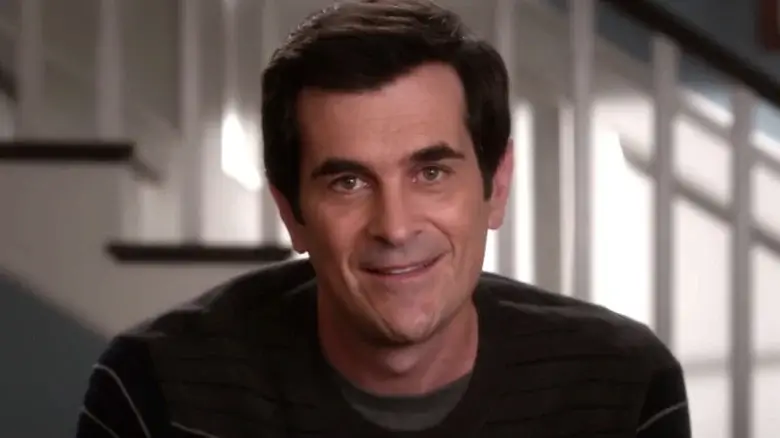
Phil Dunphy might not talk about having ADHD in the show but there’s a good chance that he does. He’s forgetful, impulsive, and hyperfixates. He’s excitable but also takes rejection hard.  Although he’s extremely loving towards his family, he tends to show that in ways that seem like he’s not paying attention to their needs. These things can make him a great client for me.

What would I do with Phil in therapy?

Before anything else, Phil needs to work on coping skills and executive functioning skills to help regulate some of the symptoms and mitigate some of the negative effects of them. The point wouldn’t be to change him and his fun and goofy personality but to make his life easier. We’d spend time talking about some of the things going on in the household and conflicts he’s having with Claire and discuss how some of his symptoms may have played a part into it. We’d work on his listening and communication skills that will also involve him educating Claire on what he needs from her. He would have to work on not putting the mental load on Claire by trying to do things before she has to worry about it. We’d work on finding the positive intent with what people say to reduce that rejection sensitivity. We’d also make sure there wasn’t something else going on because ADHD rarely exists on its own. Most importantly, we would celebrate all the wins that he has and how to build off of those for the future.

Prince Zuko from Avatar: The Last Airbender

Supportive guidance for a healthier you Calm Skies Therapy

What makes Zuko a good client for me?

Let’s be honest about Zuko, from the start he is a brooding teenage boy who would think going to therapy is dumb and pointless. But because of how he responds to Uncle Iroh, we see that he would benefit from therapy. Someone like that can end up being clients who get the most from working with me. I always joke, “My favorite client is a teenager who doesn’t want to be in therapy.” Zuko went through a physical trauma leaving him with a scar that he still experiences pain from. This has also come with a major identity shift as he feels shame and guilt. Later on that identity shifts again in a big way as he redefines what his future could be. He’s discovering who he is as a person and what he wants. He has to manage the guilt of getting his uncle locked up and becoming even further estranged with the rest of his family.

What would I do with Zuko in therapy?

The hardest part would be to first get Zuko to start talking and opening up. I’d meet him where he’s at and acknowledge how weird therapy can feel. Once he’s ready to talk, we would work on coping skills for his pain so that it doesn’t take up too much space in his mind. We’d grieve the “perfect life” he thought he was going to have as the prince and work on taking that original life off the pedestal that he originally had it on. We’d process the trauma of what happened and redefine what the future will look like.

Supportive guidance for a healthier you Calm Skies Therapy

Devi Vishwakumar from Never Have I Ever

What makes Devi a good client for me?

I love working with teens who are figuring out who they are, family and school stress, and what school they want to go to. All of this would make Devi an ideal client for me. She spends the first season feeling awkward and trying to find her place at school. She’s an over achiever but also processing the grief of losing her father. She spends a lot of her time talking about boys and because of that has become a bad friend at times. Her story deals with self-worth, jealousy, and learning how to make good decisions.

What would I do with Devi in therapy?

Devi needs a therapist that will call her out and be direct with her while still being compassionate about what is going on. Devi struggles to see someone else’s perspective when she’s having strong feelings and her therapist often has to point out what others could be thinking or feeling. I would spend time looking for positive intent with her especially when it comes to her mom. We’d spend time talking about the death of her father and how her being in a wheelchair plays into what she does today. One important thing with Devi would be setting boundaries but also explain why so that she doesn’t feel dismissed. Devi just wants to feel important and understood so working on her self worth and how she doesn’t need to be number one in school or have a boyfriend in order to be important would go a long way with her.

Dr. Derek Shepherd from Grey’s Anatomy

Supportive guidance for a healthier you Calm Skies Therapy

What makes Derek a good client for me?

Derek suffered a crush injury in his hand from the plane crash. He was experiencing extreme pain and weakness from this. This also led to him to lash out on those around him and fear that he will never be able to do surgery again. These things are exactly what would make him my ideal client. I work with chronic pain and all the emotions that come along with it.

What would I do with Derek in therapy?

Derek needs a space to let out the anger and frustration. I would never tell him to look on the positive side or tell him all the good things going on in his life. He feels like he lost his future and he needs someone who can sit in that. We would work closely with his other doctors to prepare for the road ahead of him. This means grieving the things he’s missing out on and talking about the mental ramifications of the different procedures he’s having. We’d talk about what happens if the procedure doesn’t work or only gets him back to 50% functioning at best. We might also work with his physical/occupational therapist to try things like mirror therapy or green light therapy depending on his feelings about it. He knows the newest and top research so we’d lean into that. We’d talk about how to communicate with the people around him so that he doesn’t isolate or push them away. Lastly, with him being such a driven high achiever, we would have to work on how to pace himself so that he has more good days than bad days.

Nicole Jordan Calm Skies Therapy

About the Author

Nicole Jordan, MSSA, LCSW, is a therapist who helps teens and adults navigate ADHD, chronic pain, dating challenges, and life stressors through a collaborative and conversational approach. Drawing on her background in psychology and social work, she combines practical skill-building with empathy and connection to help clients feel understood and empowered. She holds degrees from Slippery Rock University and Case Western Reserve University.

Read More
Supportive guidance for a healthier you Calm Skies Therapy
Dating

Exclusive but Only Dating, More Than Talking but Somehow Not Together: The Anxiety and Exhaustion of Navigating That

Talking stage. Situationship. Exclusive. These words didn’t used to exist, but now they seem to define everything. They’re supposed to give us clarity, but often they just create more confusion. The rise of these modern dating labels has muddied the waters and made it harder to know where we actually stand with someone.

They reduce accountability and can make it easier to dodge commitment. One person’s “exclusive” might feel like a full-blown relationship, while the other still feels single. One person thinks they’re headed toward long-term, while the other is still casually swiping. When those expectations don’t line up, someone always ends up hurt. The hard part is that these labels feel like progress. They give the illusion that we’re moving forward. But if we’re not actually on the same page, then we’re just assigning new names to the same uncertainty.

Our family is left just as confused. I remember when my sister was dating her now-husband and every time my mom called him her boyfriend, she’d respond in pure frustration with, “He’s not my boyfriend!” Eventually my mom turned to me and said, “What does that even mean?”

Good question because it depends on who you ask.

These labels didn’t exist in our parents’ generation. They met, went on a few dates, and shortly after they were in a committed relationship. That doesn’t mean they had it all figured out, but it might have been simpler. Now, people can be in a situationship for over a year and still not call it a relationship. Sure, that works for some people. But for many, it leaves them constantly wondering how much they’re allowed to expect.

So why do we use these labels at all? For some, it helps give language to better describe that stage of dating. But for others, it’s a loophole. Saying, “We’re just talking,” or “We never said we were exclusive,” lets someone avoid the responsibility of commitment. Or even avoid the accountability of hurting someone they knew was emotionally invested. One of my favorite questions someone once asked was, “Is there anyone who would be hurt to know we’re out together right now?” It cuts through the labels and gets to the actual point. But let’s be honest, if the answer is yes, most people won’t tell you that.

We’re sometimes expected to carry the emotional burden of being their significant other, while not receiving the benefits we need. So when we don’t agree on a label or what it means, it can lead to more pain. 

I remember being his person. He called me his dog’s mom and said I was one of the only people he trusted with his dog. I was there all the time. He told me he didn’t want a relationship with me but days later he laid in my lap while he cried on one of his worst days. I carried that pain for him and he chose to never see me again. 

He wanted me as his, without the responsibility of being mine. He said he was clear about what he wanted and I didn’t listen because his actions and words didn’t match him saying that he didn’t want to be with me. Or better yet, I didn’t want to hear what he had to say. I cherry-picked his behaviors and words to fit the narrative I wanted. I only heard what I wanted to hear. But he also knew exactly what he was doing to me. We’re both responsible for it.

The truth is that playing it cool about labels causes anxiety. The longer you go without clarity, the more questions start bubbling up: Am I allowed to ask where this is going? Are they seeing other people? Am I wasting my time?

There are also times when the absence of a label tells you everything you need to know. Maybe they don’t want to define it because they aren’t sure. Or maybe they are sure and just don’t want to hurt you by saying it. If you’re consistently starting that conversation and keep getting shut down, then that should be everything you need to know. Phrases like, “I like the way things are,” or “We know what we mean to each other so why do we need to put a label on it?” are answers. They’re telling you what the label is. You aren’t on the same page.

Different definitions and expectations around timelines only make that anxiety worse.

There’s also the reality that sometimes it isn’t about dodging commitment. It’s about their attachment style. I know, I know, those are buzz words all over social media right now, but hear me out. Why do some of us need those labels? Because we feel anxious if we don’t have them. We crave intimacy and reassurance through closeness. We feel we need those words said. 

But not everyone works like that. Some people are more avoidant. They may feel like running when those things are front and center but that doesn’t mean they don’t like us. Labels and expectations can make them feel overwhelmed or like they’re losing their independence. Being emotionally vulnerable might not come easily to them. That creates a push-pull because one partner wants more clarity and the other pulls away or just thinks the conversation doesn’t need to happen. It doesn’t mean the relationship can’t work but there has to be mutual understanding and communication to build security.I had a friend who once asked a girl to be his girlfriend before their first date because he craved the security of a label. (He now admits that was weird.) Later, when I started dating someone I really liked, that same friend would ask me every week, “Did he ask you to be his girlfriend yet?” I was happy and secure in what we had, but he made me feel like it wasn’t enough without a label.

I joked with someone I dated that I’m the embodiment of a puppy wanting attention all the time while I need to ignore his reincarnated cat soul so he can recharge and come back on his own terms for affection. We understood each other and communicated about needs so there was nothing wrong with it.

I had a friend who once asked a girl to be his girlfriend before their first date because he craved the security of a label. (He now admits that was weird.) Later, when I started dating someone I really liked, that same friend would ask me every week, “Did he ask you to be his girlfriend yet?” I was happy and secure in what we had, but he made me feel like it wasn’t enough without a label.

Other times though, the label was exactly what I needed. There’s something reassuring about someone claiming you with no questions. But that title doesn’t guarantee they’ll stay. Sometimes it just gives us a false sense of security. There have also been times that someone will publicly post about being in a relationship but it’s hidden from everyone except the significant other. 

What do you gain from the label outside of security? 

For me, language matters. I want to make sure I’m using the terms we agree on. What do I call you when I talk to my mom? Will it be awkward if one of us uses a different word? Are there terms you don’t like? These are real questions that help prevent confusion.

Once, on a fourth date, I was out with a guy I knew for literally 12 days when we ran into someone he knew from high school. They were talking and eventually the guy looked at me then back at him and asked, “Is this your girl?”. I swear time stood still during that hesitation before he said, “Yeah.”

I laughed because, come on, it was only our fourth date. But that friend was a girls’ girl through and through because without skipping a beat, “Oh, why the hesitation?” with a smirk on his face. My date smiled, nodded his head, “Yeah, we’re dating.” Now imagine if that wasn’t twelve days in and he still didn’t know how to answer. Or worse, if he answered it “wrong.” That’s the kind of situation we want to avoid. 

It also keeps us looking ahead. When you’re in the talking stage, you want to be exclusive. When you’re exclusive, you want to be official. When you’re in a relationship, you want to be engaged. Then married. Then whatever comes next. We’re always chasing the next level. 

That pressure can push people forward at a pace they’re not ready for. It can turn something good into something tense. I know a couple who never called it a relationship before he proposed. That’s not typical, but it worked for them. On the other end, I know people who take years before hitting the next step. My best friend was with her now-husband for eight years before getting engaged. Meanwhile, I know others who couldn’t go two years without questioning if the relationship was going somewhere.

People forget that each stage comes with its own unique experiences and we should soak in those moments because we won’t get them back.

The truth is there’s no single “right” path. But when we put so much pressure on what things are called, we can miss how we actually feel in them. And if we’re not honest about what we want, we risk holding on to someone who isn’t giving it.

About the Author

Nicole Jordan, MSSA, LCSW, is a therapist who helps teens and adults navigate ADHD, chronic pain, dating challenges, and life stressors through a collaborative and conversational approach. Drawing on her background in psychology and social work, she combines practical skill-building with empathy and connection to help clients feel understood and empowered. She holds degrees from Slippery Rock University and Case Western Reserve University.
Read More
Supportive guidance for a healthier you Calm Skies Therapy
Dating

Dating Apps: A Full-Time Job You Didn’t Apply For

I don’t know anyone who loves being on dating apps. Most of us use them out of necessity, not excitement. We keep showing up, scrolling through profiles, and wondering if we’re being too picky or not picky enough. We tell ourselves it’s just part of modern dating, but that doesn’t mean it doesn’t mess with us. If you’ve ever felt burned out, numb, or like you’re one “almost relationship” away from deleting the whole thing, then you get it.

Left. Left. Left. Right. Left. 

The endless swiping and feeling like there’s no point to it. I mean, how could it not? The apps are designed to be superficial. You’re looking at their best pictures (if they even put that much effort in), and you learn very little about them. It’s tiring to look at profile after profile and feel like no one is a good match for you. That swiping fatigue is very real.

I remember catching myself multiple times swiping left without even looking. I was just on autopilot. You can spend hours on these apps and feel like you’re getting nowhere. And truthfully, sometimes you are getting nowhere. Spending all day non-stop looking at these profiles can be a full-time job. It can feel like all you’re doing is swiping and swiping and swiping.

I timed it once. I spent just under two hours swiping and only liked one profile. That wasn’t because I was being picky, but because I wasn’t seeing any profiles that truly matched what I was looking for. They either didn’t match my family planning goals or didn’t want the same type of relationship I did, so I wasn’t going to waste anyone’s time by swiping right on them. 

You should put the phone down sometimes and stop swiping, but it’s easier said than done. These apps are addictive. Just like gambling, you lose your bet (swiped left) and you’re down, but eventually you get a small payout (a match), and that little bit of a dopamine hit keeps you coming back for more. You’re hoping to hit the big jackpot and feeling like you’re getting closer. Plus there’s the feeling of “if I walk away now then I might miss out” or “I’m just one swipe away from meeting someone”. So you burn yourself out.

But the fatigue doesn’t stop there. It continues once you actually match with someone and start talking. It’s hard to have a conversation that is interesting enough to hold both of your attention and theirs. You’re competing with every other conversation in their inbox. There’s only so many times you want to answer the question, “What do you do for fun?” But what else are they supposed to ask you? You’re just a stranger on a screen. 

The conversations start to blend together and you forget what you’ve already said. The dates kind of go the same way too. I mean, I’ve forgotten what I’ve asked or told people before, to the point of telling the same story to the same man more than once. My most embarrassing moment involving this was telling a story about something a guy said on our date….to the guy who said it to me. 

The problem is that those messages come from a real person (most of the time), but it doesn’t feel like it. You don’t know them and you barely know what they look like. This can cause two things to happen: 

The first is that you stop talking because it’s easy to walk away for no real reason. You never met them so no harm no foul. They don’t feel like a real person to you so it feels like it doesn’t matter. “You owe them nothing,” right? 

The second is, you build them up in your head and romanticize them. You end up attached before you even go on a date. They’re on pedestal that they will never be able to live up to. Either way, this isn’t fair to either of you. 

What happens when someone asks you what you want for dinner or you’re looking on Netflix for something to watch? Decision paralysis. You have so many options in front of you that it’s hard to commit to one. My old roommate used to start a movie and 15 minutes in would get bored and switch to the next. Dating apps are no different. 

You have so many profiles to swipe through on one app, and then you have other apps you can switch to and start the cycle again. There will be spells of talking to no one, followed by stretches where you’re talking to too many people at once. How do you decide who gets your energy? And what keeps you from moving your energy to the next person the moment it gets difficult or you get bored? 

Too many choices leads to poor decisions or no decisions at all. But you can’t be with someone if you don’t make a choice. Then there’s the fear of making the wrong choice because we’ve seen that play out too many times. 

I was talking to someone who’s a great guy. We were a month or so into dating and I knew he was probably still talking to other people. He went to my Hinge profile to show me something and that’s when I saw it. The number of women he was talking to was hurtful. They were all active conversations too. 

He was afraid to pick one and ultimately chose wrong.

I later found out that the girl he ended up dating had nothing in common with him and wanted to change who he was. He admitted he made the wrong choice and hurt people that could’ve been the right one. I’m not saying I was the right choice by any means, but we’ll never know.

But don’t think this is all our fault or that we’re in complete control over it. Because we’re not. The apps are designed to keep us on them. 

At the time of writing this, Match Group (which owns a large amount of dating apps) is actually being sued. Some say it’s because of their addictive design. Others say it’s because they con their users. Now, this doesn’t mean they’re guilty and this is a civil class-action suit, so no one knows where it’ll go. But it’s worth thinking about. The lawsuit alleges that the addictive nature of the apps is keeping people coming back, while the apps themselves pretend to be about connection. Hinge’s slogan, “Designed to be Deleted,”  doesn’t really hold up when you consider that every deletion is a lost customer.  

It sometimes feels like these apps prey on the desperate hope people feel even when the app repeatedly fails to deliver quality options. That’s what creates the pay-to-play mindset. The more invested you are, the more you’re likely to spend. How does that incentive them to help you find love? 

Everything is becoming subscription-based, and free features are being slowly taken away. Bumble used to allow users to go back to a profile they swiped left on three times a day. Now you have to pay for that. Hinge has what we all call “Rose Jail,” which is where they show you people they say are compatible with you, but you have to pay to interact with them. Sure, you can try your luck without paying. But the algorithm seems to hold you back. Developers deny it, but a lot of users report that you only get to see profiles that the algorithm deems “worthy” of your level. 

In my own dating life, there are profiles I’ve never seen. Friends show me people they’ve matched with who are in the same area and age range, and somehow, I’ve never come across their profiles. 

And don’t get me started on Hinge’s “Most Compatible.” Almost every time it was someone who has nothing in common with me. I’d select that I wanted a long-term relationship and their profile would say “short-term.” In what reality is that compatible? I also noticed the pattern that when I stopped using the app, I got more likes. I’d get more notifications. I’d have no conversations going on and be swiping daily, but the second I back off, I’d get like after like.

But many of us still feel locked into using these dating apps. Because if not there, then where? There’s a reason it all feels so discouraging, and it’s not because you’re broken or doing it wrong. Dating apps weren’t built to help you find love. They were built to keep you using them. That doesn’t mean it’s hopeless. But it does mean you’re swimming against a current that’s stronger than we like to admit. You’re allowed to feel tired. You’re allowed to take breaks. And you’re allowed to want real connection, even when the whole system makes it feel out of reach. You’re not the only one still trying. You’re not the only one still hoping.

About the Author

Nicole Jordan, MSSA, LCSW, is a therapist who helps teens and adults navigate ADHD, chronic pain, dating challenges, and life stressors through a collaborative and conversational approach. Drawing on her background in psychology and social work, she combines practical skill-building with empathy and connection to help clients feel understood and empowered. She holds degrees from Slippery Rock University and Case Western Reserve University.

Read More
Supportive guidance for a healthier you Calm Skies Therapy
Dating

For When You Don’t Need Advice, Just Proof That Someone Else Gets It Too

I didn’t set out to write a blog series about dating. I set out to survive it.

As a therapist, I spend a lot of time helping people name their patterns, make sense of their emotions, and fight for healthier relationships. But when it came to my own love life? Let’s just say there’s a reason those patterns were so easy for me to recognize. They’re the same ones I see in myself through swiping, spiraling, and wondering what the hell happened to dating.

This isn’t a guide. It’s not clinical. It’s part journal, part therapy room, part group chat at 11 p.m. 

Plain and simple: dating is hard. It can stir up a lot of different emotions and you can easily feel like you’re alone in the world. It can feel like a mix of job interviews, ghost stories, and emotional marathons no one trained us for. 

Sure, we can work on how we approach it but there are things that we can’t change. There are parts of the system that are just objectively broken. From the superficial to the true deep emotions that keep us up at night. It can break our self-esteem and our sense of hope while making our nervous system feel like it’s on fire. 

My therapist (shout out Alyssa) says I should write a book. But for now, this series will do. I’ve got stories to spare and I know I’m not the only one.

I’ve written about the moments that leave us wondering if we’re too much or not enough. The silence after vulnerability. The situationships that feel like almost-love but never quite made it. The way dating apps can make us feel disposable, and how even the people who care about us sometimes say the wrong thing. I’ve written about the ache, the rage, the hope, and yes, the humor because sometimes laughing is the only way to keep from falling apart.

Whether you’re single, dating, healing from something that never even got a label, or just tired, this series is for you.

If you’ve ever wondered, “Is it just me?” it’s not.
So let’s not hide it. Let’s actually talk about it. All of it.

About the Author

Nicole Jordan, MSSA, LCSW, is a therapist who helps teens and adults navigate ADHD, chronic pain, dating challenges, and life stressors through a collaborative and conversational approach. Drawing on her background in psychology and social work, she combines practical skill-building with empathy and connection to help clients feel understood and empowered. She holds degrees from Slippery Rock University and Case Western Reserve University.

Read More